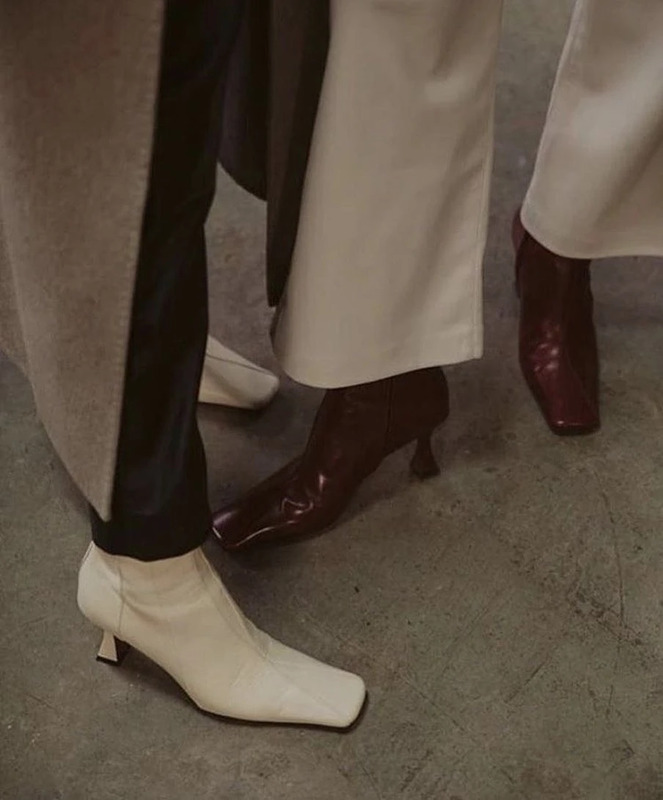

The fashion world is rapidly changing, and by 2027 we will see how restored materials become an integral part of our wardrobe. With each passing year, awareness of the need for eco-friendly practices is growing, and circular fashion is no longer just a trend — it is a necessity. In this context, items that are fully recyclable into new ones without loss will become the standard. What will our clothing look like in the near future?
Ecology as the New Standard
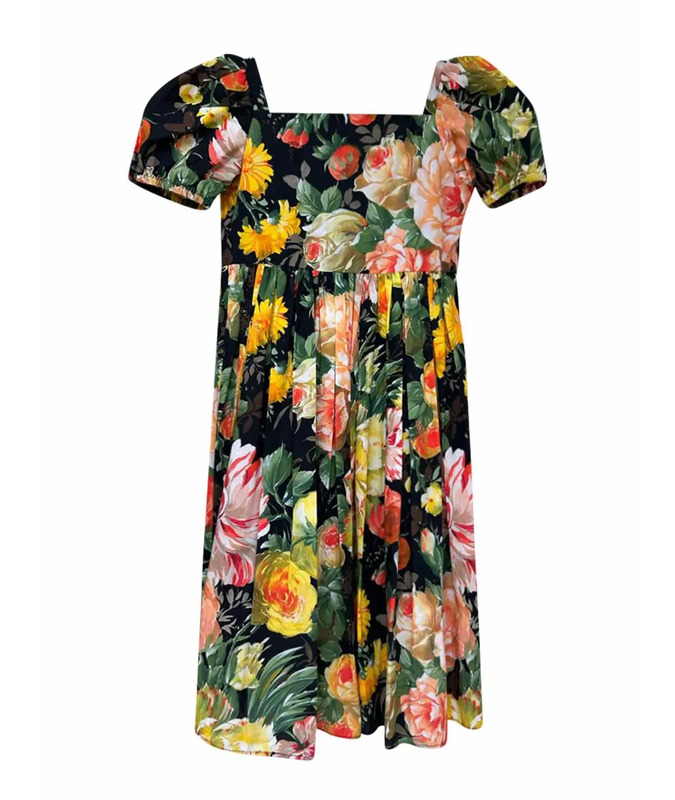
Manufacturers are already actively implementing recycling technologies, turning textile waste into new fabrics. By 2027, such processes are expected to become widespread rather than exceptional. Restored materials, such as recycled polyester, organic cotton, and other eco-friendly fibers, will be used everywhere. These fabrics will not only reduce the negative impact on nature but also allow for the creation of unique items with a story.
Personalization and Uniqueness
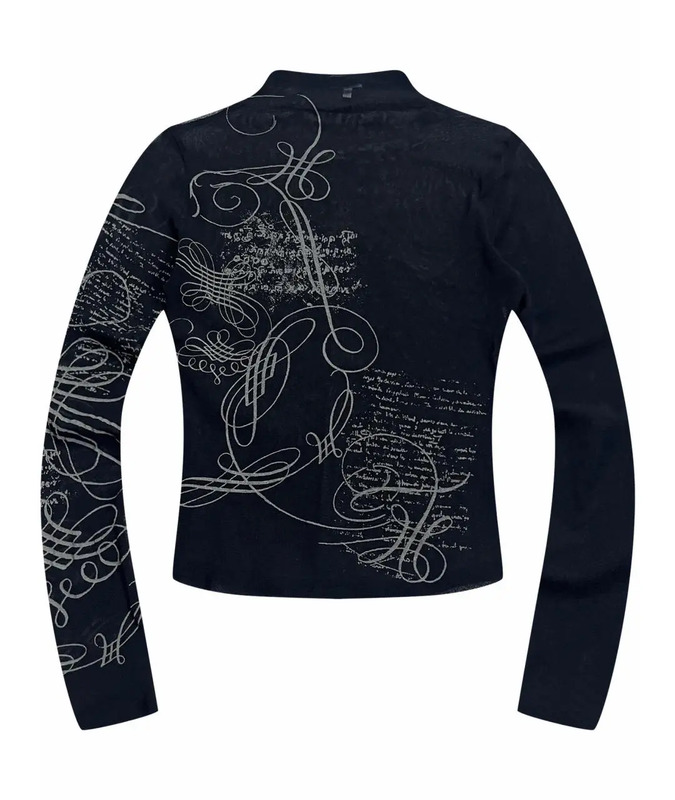
Modern technologies allow for the creation of custom items that take individual preferences into account. For example, platforms like Izzy will help you find clothing made from restored materials that suit you. With the help of an AI stylist, you can quickly select outfits that match your vibe, and visual search by photo will allow you to find analogs of items you like. This is not only convenient but also promotes sustainable consumption.
The Future of Fashion: What Awaits Us?
In the coming years, we will see fashion becoming more conscious and responsible. Brands will strive for transparency in their supply chains, and consumers will become more demanding of their actions. Restored materials will not just be a trend but a part of a philosophy that will permeate the entire process of clothing creation — from idea to realization. By 2028, items that can be recycled without loss will become a symbol of a new approach to fashion, where every item has value and a story.
Thus, circular fashion will not only improve the ecological situation but also make our style more personal and unique. The expected change in the fashion industry will not only inspire designers but also create new opportunities for consumers to express their individuality through conscious choices.