

Climate change is becoming part of our everyday reality, and fashion, as an integral part of life, cannot remain on the sidelines. In the coming years, specifically in 2027-2028, we will see amazing transformations in the textile industry. Clothing that adapts to extreme heat and precipitation will become not just a trend, but a necessity.
Technologies That Change the Game
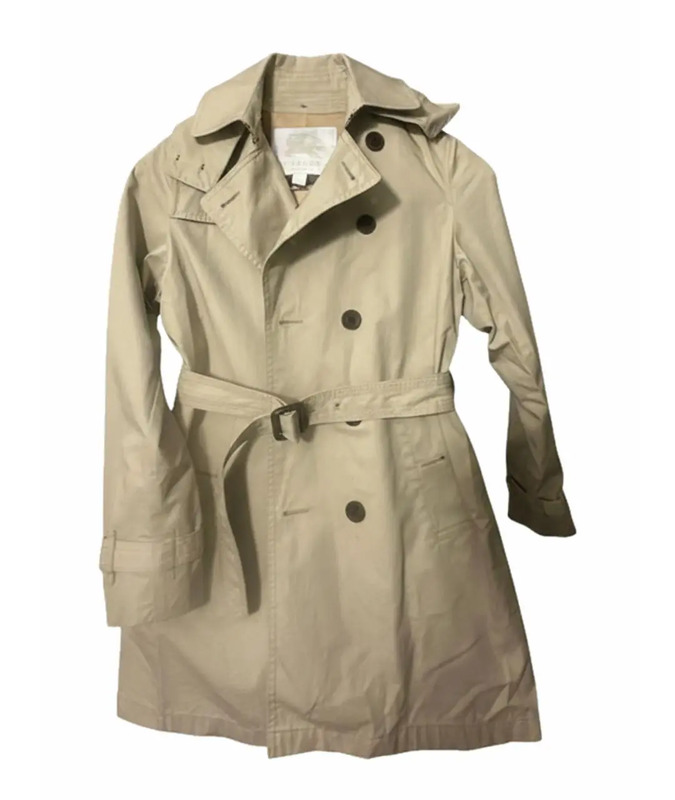
Every year we observe how new technologies penetrate the world of fashion. Adaptive fabrics of the future will use special micro-sensitive fibers capable of responding to changes in the environment. Imagine a t-shirt that cools the body in heat or a jacket that protects from rain while remaining breathable. These innovations will not only provide comfort but also help reduce the amount of clothing we buy, as one universal item can replace several!
Eco-Friendliness and Sustainability
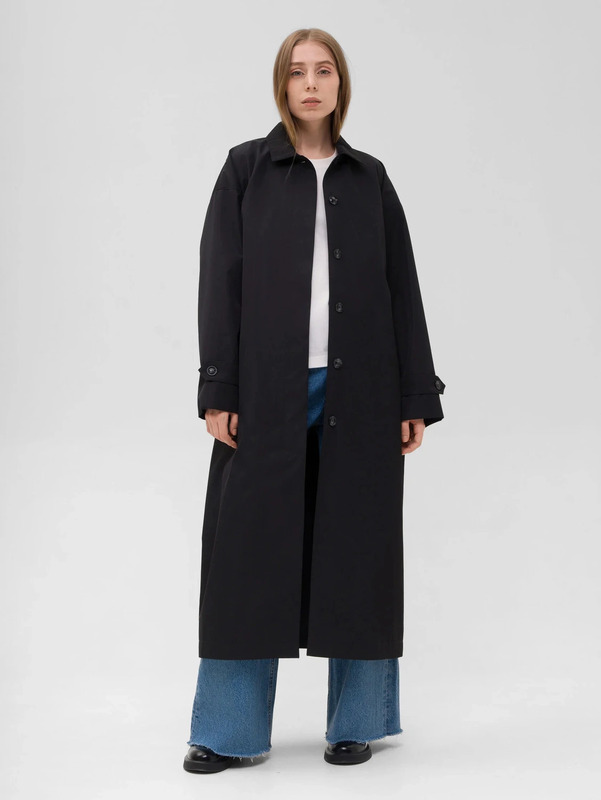
An important aspect of adaptive clothing will be its eco-friendliness. In a world where resource consumption reaches critical levels, designers and manufacturers will focus on sustainable materials. In 2027-2028, we can expect the emergence of fabrics made from recycled materials that not only adapt to climate change but also minimize negative impacts on nature.
Modern brands are already beginning to experiment with materials such as recycled polyester and eco-friendly cotton. Those looking for stylish and functional items will be able to quickly find similar options on the Izzi platform, using an AI stylist that will select outfits tailored to your unique style.
Style and Individuality
Despite the focus on functionality, fashion does not lose its aesthetic value. Clothing that adapts to climate change will create new opportunities for self-expression. Designers will find ways to combine high technology with vibrant style, offering consumers items that not only protect but also please the eye.
Virtual fitting on Izzi will be a great tool for those who want to assess how adaptive clothing will look on their figure. You will be able to "try on" various models and find your perfect look without leaving home.
Thus, fashion for climate change is not just a trend, but an important step towards a sustainable future. Adaptive fabrics, eco-friendliness, and style will set a new standard in the fashion world, responding to the challenges of our time and allowing each of us to remain not only stylish but also responsible.